Every job below is one we do ourselves across Elkhart.
Elkhart clay soil moves more than people think, so we compact the base in lifts before we ever set a form. We run 4 inches of slab over compacted stone for most driveways, thicker if you're parking anything heavier than a pickup. Air-entrained mix goes in every pour so the surface can handle freeze-thaw cycles and road salt without flaking apart in three winters.
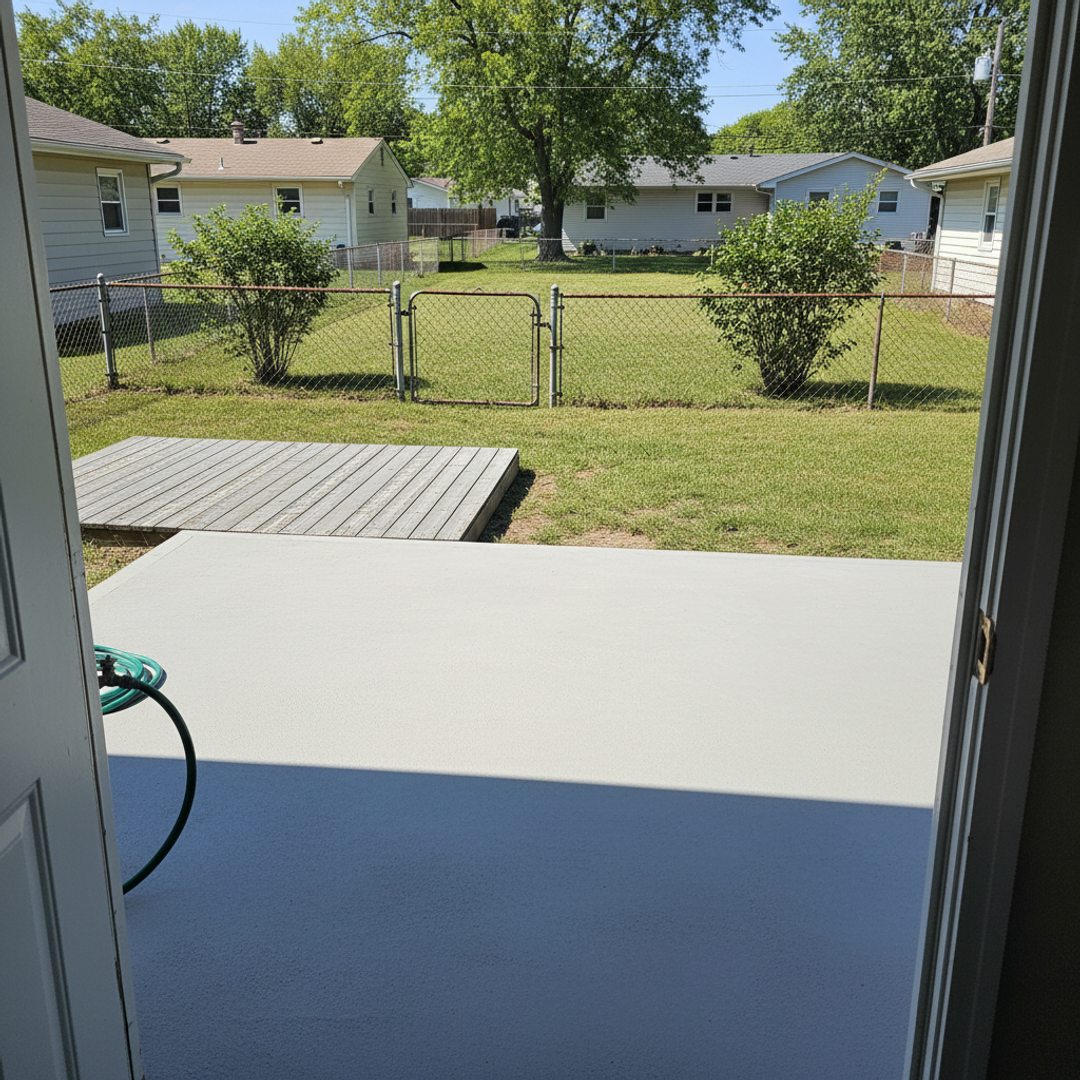
Patios don't carry traffic loads, so we're less worried about thickness and more worried about drainage, a patio that pitches toward your house will find its way into your basement eventually. We slope every pour away from the foundation and set control joints every 8 to 10 feet so cracking happens where we want it, not across the middle of your seating area.
Stamped concrete gets its texture and color while the slab is still plastic, so timing the stamp mats to the set of the concrete matters more than the pattern you pick. We work in color hardener and release agent by hand, section by section, so the whole pour reads as one pattern instead of a patchwork. Sealing it every couple years keeps the color from washing out and the surface from picking up salt stains.
Walkways take a beating from foot traffic and shovels, so we broom-finish for slip resistance and keep joints tight, about every 5 feet, since a narrow slab cracks fast without them.
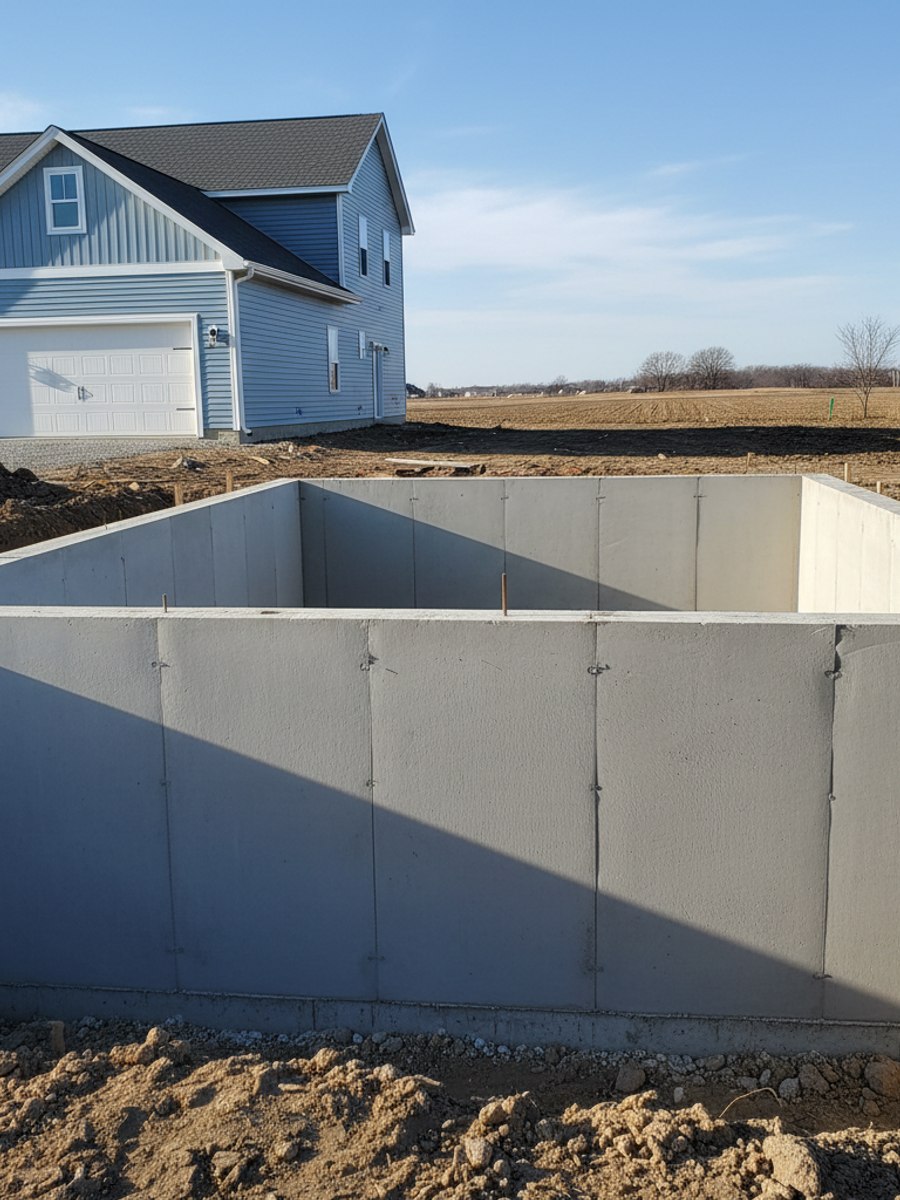
A slab foundation only performs as well as what's under it. We grade and compact the sub-base, roll out a vapor barrier, and place rebar or wire mesh depending on the load before any concrete goes down. Get the vapor barrier wrong and you're chasing moisture problems in the finished floor for years.
Garage floors take point loads from jacks and vehicle weight in a small footprint, so we reinforce with rebar instead of mesh on most jobs. We also slope the floor slightly toward the door so melting snow off your truck runs out instead of pooling.
Not every crack means the slab is failing, hairline cracks from shrinkage are normal, but a crack that's lifted on one side means the base underneath has shifted. We saw-cut and patch smaller sections, or epoxy inject a structural crack so it stops moving instead of just covering it with caulk.
Steps see more freeze-thaw cracking than almost anything else on a property because water sits on the tread and edges spall first. We form and pour steps with air-entrained mix and round the nosing so ice has less of an edge to grab.
Exposed aggregate means washing or brushing the surface paste off before the slab fully sets so the stone underneath shows through, get the timing wrong and you either expose too little or wash out too deep. We test a small section first on every job before committing the whole pour to a finish.
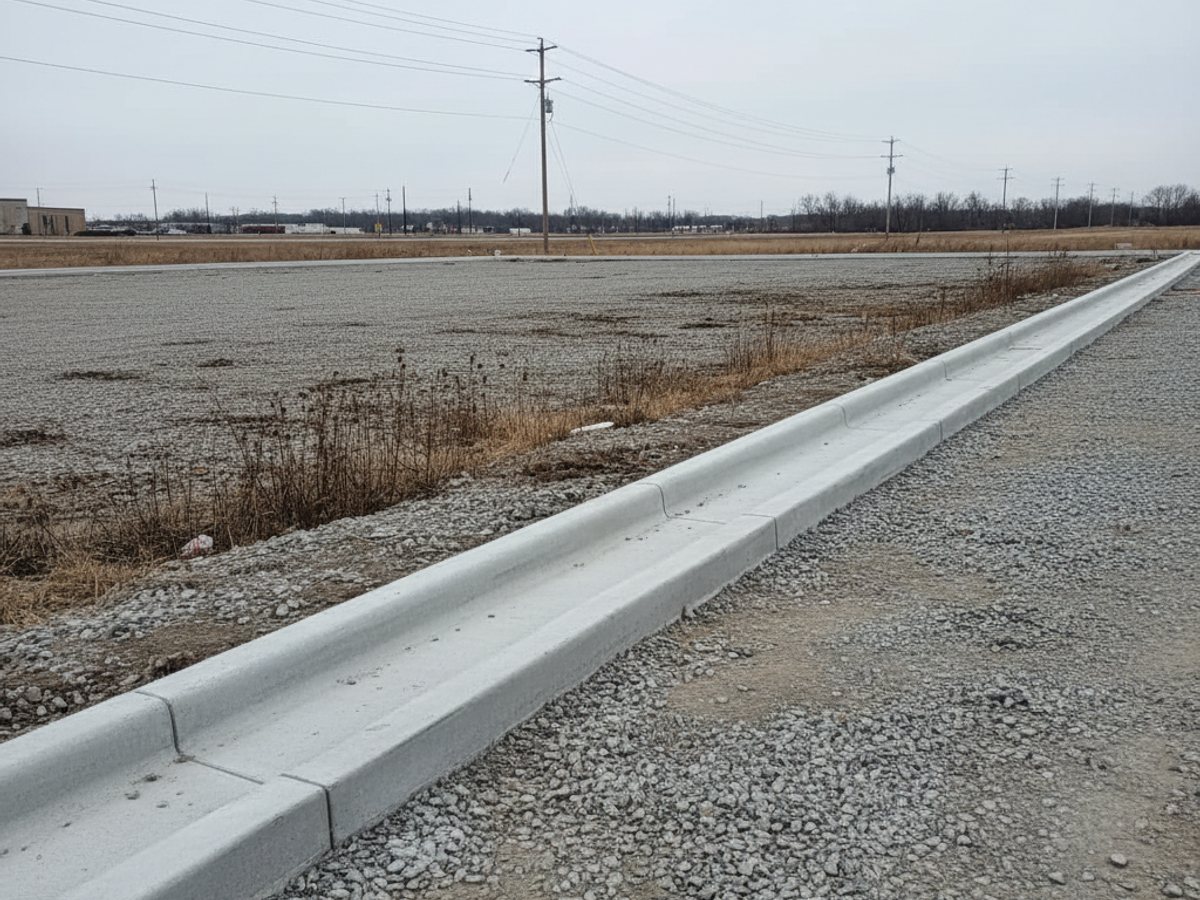
Sometimes the concrete work is the easy part and the real problem is water pooling against your foundation or a yard that won't drain. We grade and compact the site before we pour so the finished slab actually solves the drainage problem instead of sitting on top of it.
Four steps, and no surprises in any of them.
You tell us what you want doing, we look at what is actually there, and we ask the awkward questions early.
In writing, itemised, free. If something might add cost later we flag it now rather than at the end.
Same crew throughout. We cover your floors, keep the dust down and tidy up before we leave each day.
You point out anything you are not happy with and we fix it before the invoice, not after.
We travel to most of these towns for driveway, patio and repair work.
Questions that come up once a project is actually underway.
Describe the problem and we will tell you what it probably is. No obligation.